

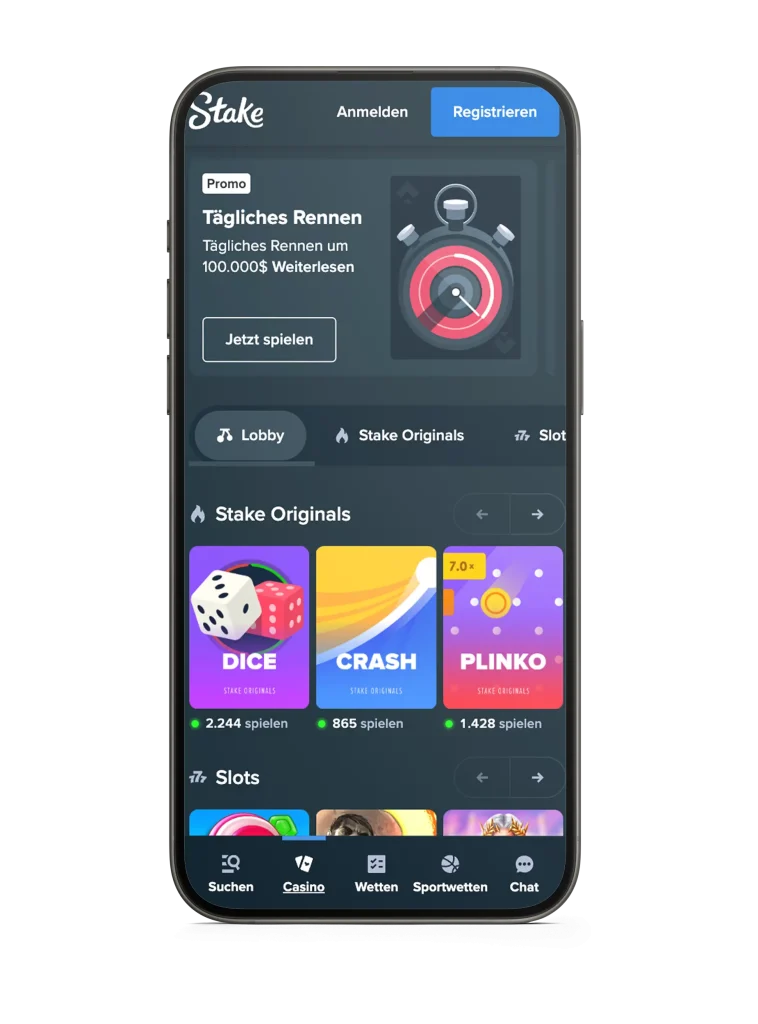
Stake Casino has designed a financial system that seems designed for UK players who require speed, transparency, and the complete removal of hidden friction. The second a British user lands on the cashier page, the platform unveils an ecosystem centered on cryptocurrency agility while also incorporating meticulously chosen fiat gateways. This is not a standard payments page filled with every conceivable processor; it is a thoughtfully layered selection that mirrors the brand’s awareness of how modern punters move money. Instant crypto deposits coexist with e-wallet conduits and direct bank channels, each with its own rhythm of limits, processing windows, and verification touchpoints. The true story, however, resides in how Stake balances its notoriously high crypto ceilings with the stricter but reliable thresholds tied to GBP-friendly rails. That balance provides UK players both the liberty to transfer large volumes on a Premier League weekend and the restraint to stay within responsible boundaries when the action slows down.
Deposit Limits, Minimum Amounts, and High-Roller Caps
Stake Casino’s deposit limit structure is most accurately described as a sliding scale that rewards trust and punishes opacity. For a newly created UK account that has not passed identity verification, the platform applies cautious minimum deposit floors—around £10 in crypto terms—while limiting single transactions at a few hundred pounds. The moment a player provides a valid government ID, proof of address, and in some cases a selfie verification, the ceiling increases dramatically. A fully verified account operating with Bitcoin can easily send £20,000 to £50,000 per deposit, and the system will approve it without automated friction, barring any network anomalies. This tiered system matches both UK Gambling Commission expectations and the casino’s own risk appetite, ensuring that high-rollers who wish to transfer serious volume do not get stuck in the same net designed for a casual Saturday punter. The transparency carries over to the cashier interface, where the user views a typed-out “Min. Deposit” and “Max. Deposit” indicator that changes in real time with the chosen method and current verification tier.
- Unconfirmed crypto deposits: Lowest circa £10 in any supported coin; per-transaction cap hovers between £200 and £500 depending on asset volatility.
- Verified crypto deposits: Base typically remains £10, but the limit increases to £25,000 (LTC, USDT) up to £50,000+ (BTC); high-roller support can adjust caps on request.
- Traditional gateway deposits: Lowest £30 via MoonPay card, £50 via bank transfer; maximum varies from £2,000 (basic card) to £10,000 (verified bank transfer) per transaction.
- Digital wallet deposits: Base £20, maximum generally £4,000 per transaction, with daily aggregate limits set by the wallet provider rather than Stake.
VIP caps merit their own spotlight since they show how Stake truly regards its top-tier UK clients. Once a player demonstrates a consistent deposit pattern and preserves a spotless transaction history, the casino’s VIP team can individually adjust ceilings far beyond the advertised numbers. There are verified instances of verified users transferring six-figure sums in a single Bitcoin transaction without provoking a freeze, due to proactive communication with the support desk. However, the casino never compromises compliance on the altar of whale service; every elevated cap comes with enhanced source-of-funds checks that may necessitate bank statements or proof of crypto wallet ownership. This balance between red-carpet treatment and regulatory diligence defines the deposit landscape, proving that Stake’s limits are flexible, responsive, and deeply customized rather than minted from a generic template.
Accountable Gambling Tools and Self-Imposed Deposit Limits
Stake Casino does not treat responsible gambling as a compliance checkbox; it integrates protective measures directly into the banking dashboard where they become impossible to ignore. Every UK player, from the moment of first deposit, can access a dedicated tab that allows the setting of daily, weekly, or monthly deposit loss limits. The tool is instantaneous—once a limit is lowered, it takes effect within seconds, and any attempt to raise the cap triggers a compulsory 24-hour cooling-off period. This cooling-off mechanism is not merely a gentle warning; it locks the request until the clock expires, forcibly inserting a halt that has proven effective at derailing impulsive decisions. The system also supports session time limits and a self-exclusion function that disables deposits entirely for a chosen duration ranging from 24 hours to permanent exclusion. UK punters who use these features often discover that the real value is not just the limit itself but the psychological reset that occurs when they actively set their own boundaries before a session begins.
Behind the scenes, Stake’s algorithm monitors deposit velocity and flags accounts that exhibit sudden spikes, such as a player who has historically deposited £50 per week suddenly attempting three £2,000 transactions in an hour. When such a trend emerges, an automated intervention pauses the deposit and generates a obligatory responsible gambling pop-up that the player must acknowledge before proceeding. Human agents also assess high-risk flags and may reach out directly with personalized messaging about limit-setting tools. The casino’s partnership with UK-facing organisations like GamCare is prominently displayed within the cashier section, and a single-click self-assessment questionnaire sits adjacent to the deposit button. This architecture ensures that deposit limits are not simply numbers typed into a field—they are the active, beating pulse of a system designed to catch players before they freefall. In a market where regulators increasingly insist on real-time intervention, Stake’s banking environment delivers it with a subtle but unwavering insistence that safety and thrill are not mutually exclusive.
Crypto Payment Methods
Cryptocurrency is the driving heartbeat of Stake Casino’s cashier, and UK players who use digital coins unlock a tier of banking performance that appears almost physically faster than anything offered on traditional gaming sites. The platform supports a carefully chosen roster of assets intended to cover speed, stability, and privacy needs. Bitcoin, Ethereum, Litecoin, Bitcoin Cash, Dogecoin, Tether (USDT), USD Coin (USDC), and Ripple are counted among the central pillars, with additional altcoins appearing during promotional windows. A deposit made via any of these networks typically reflects in the player’s balance after a single network confirmation, which on the Lightning-fast Litecoin or Ripple chains can take under a minute. Withdrawals adhere to the same lightning logic: once the internal security review clears, funds shoot back to the user’s external wallet with almost no latency beyond what the blockchain itself demands. The absence of bank processing windows, holiday delays, or intermediary sign-offs gives crypto banking a visceral immediacy that UK punters who trade speed for entertainment deeply appreciate.
- Bitcoin (BTC): The flagship asset with the largest deposit limit, often exceeding £50,000 per transaction for completely authenticated accounts, but processing durations can range to 10-30 minutes during high demand.
- Ethereum (ETH): Smart-contract flexibility with deposit limits averaging £20,000 per transfer; gas fees fluctuate wildly so the cashier displays real-time cost estimates.
- Litecoin (LTC): A go-to for mid-range deposits due to sub-penny fees and block times under three minutes, with limits usually set at £15,000 per transaction.
- Tether (USDT) & USD Coin (USDC): Stablecoins that safeguard players from volatility; ERC-20 and TRC-20 variants available, with TRC-20 deposits providing near-instant settlement and ceilings mirroring ETH levels.
- Ripple (XRP): Engineered for high throughput, often chosen by players transferring four- or five-figure sums in seconds, with limits corresponding with the network’s deep market depth.
Deposit minimum requirements across the crypto column are remarkably elastic. A player can send as little as 0.0001 BTC, 0.01 ETH, or the same amount of just a few pounds in Litecoin or Doge, making micro-deposits practical for trying things out. On the ceiling side, the platform deliberately keeps the upper boundary fluid; verified high-rollers have regularly funded accounts with six-figure crypto sums without encountering hard rejections. The only real ceiling comes from the network itself—if a wallet’s balance and the blockchain’s transaction capacity permit it, Stake rarely says no. This design philosophy establishes a banking channel that feels limitless, yet the casino discreetly embeds blockchain analytics to flag wallet addresses linked to sanctioned entities, ensuring compliance never falters even in a permissionless environment.
Wire Transfer and Other Banking Routes
Traditional bank transfer might appear as the least speedy ship in the fleet, but Stake Casino has managed to tune the experience so that it feels purposeful rather than punitive. UK players can begin a deposit via an open banking-powered workflow that links their current account to the casino’s partnered crypto brokerage in seconds, using the same secure authorization protocols that back household-name fintech apps. Once the user authenticates through their bank’s app, the transfer request converts GBP into crypto at a fixed rate and channels it to the player’s Stake wallet. The minimum deposit through this channel is usually set at £50, a deliberate threshold that acknowledges the higher operational cost of fiat processing, while the maximum can rise to £10,000 per transaction for fully verified accounts. The beauty of this method lies in its marriage of compliance rigour and user comfort; a bank-grade KYC is baked into the flow from the start, so players who undergo the slightly longer setup are rewarded with higher ongoing limits and fewer interruption checks down the line.
Aside from the conventional bank channel, Stake offers an alternative route through prepaid voucher systems and select crypto ATMs that channel into the casino’s deposit addresses. UK players in major cities like London, Manchester, or Birmingham can buy Bitcoin from a CoinFlip or Bitcoin Depot ATM and transmit it directly to their Stake wallet, effectively turning cash into playing balance within ten minutes. This method possesses its own logic: the minimum is whatever the ATM’s purchase floor permits, often as low as £10, while the maximum is restricted only by the machine’s daily cash-in limits and the player’s verification status on Stake. The casino does not charge deposit fees for incoming crypto from any source, so the full converted amount lands intact. By presenting these alternative touchpoints, Stake intentionally expands the demographic net, attracting those UK players who may be unbanked, privacy-conscious, or simply curious about converting physical cash into a frictionless gaming balance without ever swiping a card.
Fiat Payment Solutions and E-Wallets for UK Users
For UK players who opt to transact in pounds sterling without personally managing a crypto wallet, Stake Casino incorporates fiat-to-crypto gateways that manage the conversion seamlessly. MoonPay sits at the centre of this experience, letting users to buy crypto straight using a Visa or Mastercard debit card and have it land inside their Stake balance in a unified, directed flow. The player selects an amount in GBP, the widget locks in an exchange rate for 20 seconds, and the purchased Bitcoin or Ethereum is delivered after standard card authorization and MoonPay’s own compliance check. Because the transaction runs on card network rails rather than pure blockchain, deposit limits observe a stricter rhythm: the minimum is roughly £30, while the maximum can stretch to £5,000 per transaction depending on the user’s MoonPay account tier and card issuer limits. This gateway effectively bridges the chasm between high-street banking and the casino’s crypto-native core, offering a pragmatic path for mainstream UK punters who simply want to deposit and play without the friction of external exchanges.
- Debit Card via MoonPay: Immediate GBP-to-crypto transfer with required 3D Secure authentication; caps generally commence at £30 and go up to £2,000-£5,000 per purchase depending on MoonPay’s graduated verification.
- Apple Pay and Google Pay (routed through MoonPay): One-tap ease for mobile-first users; payment limits reflect card thresholds, but the biometric authentication layer speeds up the conclusive confirmation dramatically.
- Skrill/Neteller e-wallets: Available in specific UK setups via associated payment providers; these methods function under separate Know Your Customer protocols and commonly carry payment floors of £20, with maximums approximately £4,000 per deposit.
Stake’s e-wallet integration, while less prominent than crypto rails, offers an essential safety valve for players who have built loyalty to digital wallets. Skrill and Neteller deposits appear in the balance after the payment processor confirms receipt, a process that can range from near-instantaneous to a 15-minute waiting window during high-traffic periods. The limits attached to these methods are determined more by the e-wallet’s own anti-money laundering controls than by the casino itself, implying a user who has fully verified their Skrill account may handle higher volumes than someone who has only completed a basic signup. Stake’s cashier clearly specifies which ceiling applies at each step, stopping players from submitting amounts that will inevitably bounce back. This transparency, coupled with the convenience of funding a gambling session through a single familiar dashboard, transforms the fiat section into a discreet but trustworthy ally for UK punters who wish to keep their gaming spend separate from their main bank statement.
Transfer Speed, Fees, and KYC Requirements
Speed at Stake Casino is not a marketing claim; it’s the tangible outcome of building a payment infrastructure that leans into blockchain finality. Crypto deposits usually show up in the player’s balance after a single on-chain confirmation, which amounts to under a minute for Litecoin or Ripple and rarely exceeds ten minutes for Ethereum. Even Bitcoin deposits, while slower during mempool congestion, rarely require the six confirmations that other exchanges mandate. Withdrawals follow a similarly aggressive pace. Once the internal security team—operating around the clock—checks that no duplicate withdrawal requests or suspicious IP patterns exist, the funds are sent to the user’s wallet within minutes. The longest wait UK players will encounter is during the initial identity verification process, which Stake’s automated system processes in under five minutes for well-lit, clear documents; in busier periods, the manual review queue increases the wait to roughly twelve hours.
Fee structures are one of the most notable differences in the UK market. Stake Casino does not impose deposit or withdrawal fees on any cryptocurrency transaction. The player is responsible only for the network’s miner or validator fee, and the cashier always displays an accurate gas estimate before the send button becomes available. This zero-fee policy covers fiat gateway deposits via MoonPay, where the processing fee is MoonPay’s spread rather than a Stake surcharge. Bank transfer customers benefit from fee-less incoming transfers, while e-wallet users must check with Skrill or Neteller for any wallet-side charges. The verification tier required to unlock full limits entails standard KYC documents: a passport or driving licence, a utility bill or bank statement dated within three months, and sometimes a live selfie. The casino only moves to source-of-wealth checks for players pushing five-figure sums on a regular basis. This layered verification model ensures smooth banking operations for the vast majority while keeping the documentation paper trail mandated by the UK Gambling Commission.
Summary of Stake Casino’s Payment Strategy for UK Players
Stake Casino’s attitude to banking comes across like a manifesto challenging sluggish legacy payouts. The platform has constructed a multi-layered payment architecture where every method serves a specific player profile, from the crypto-native high-roller who thinks in satoshis to the recreational punter who prefers the familiarity of a UK debit card. At its core, the system employs blockchain rails to remove intermediary banks from the equation for primary transactions, which accounts for the majority of deposit options revolve around digital assets such as Bitcoin, Ethereum, Litecoin, and Tether. Yet the brand does not exclude users who seek regulated fiat touchpoints; it incorporates third-party providers that transform GBP into crypto on the fly, maintaining the casino’s soul while providing a familiar funding experience. This dual philosophy establishes a seamless on-ramp where deposit limits are determined more by network capacity and player verification status than by arbitrary ceilings imposed by the house. UK customers quickly notice that the cashier equips them with granular control, presenting real-time conversion rates, minimum entry points, and maximum transactional caps before a single penny changes hands.
What sets this banking framework stand out in the crowded UK market is its refusal to treat limits as static numbers recorded in a dusty terms page. Dynamic adjustments kick in based on Know Your Customer (KYC) progression, deposit history, and even the volatility of the chosen crypto network at the moment of transaction. A fully verified player funding with Bitcoin during low network congestion will experience a far higher ceiling than an unverified account undertaking the same action during a mempool spike. This intelligent throttling shields both the casino and the user from failed transactions and unnecessary delays. Simultaneously, the fiat-side limit structure matches the cautious compliance mandated by UK financial regulations, establishing a safe zone where payments via services like MoonPay or direct bank transfer operate under clearly communicated daily and monthly caps. The result is a banking ecosystem that thrives with energy, benefiting players who finish verification steps while ensuring that even casual visitors never encounter a wall of confusion when carrying out their first deposit.
Frequently Asked Questions
What exactly is the smallest deposit I can make at Stake Casino in the UK?
The lowest possible deposit starts at roughly £10 in crypto equivalent, achievable by transferring a tiny quantity of Bitcoin, Litecoin, or Dogecoin. For fiat options, the MoonPay card gateway starts at £30, while bank transfers need at least £50. These minimums exist to ensure that network fees and processing costs don’t eat up the deposit value before gameplay commences. Ultra-small deposits of a handful of pounds in altcoins like Doge are doable in theory but are not recommended by the platform’s guidance in order to prevent failed transactions when fees spike unpredictably.
How soon do cryptocurrency withdrawals arrive in my wallet after a request?
Crypto withdrawals at Stake Casino are completed with impressive speed. After the automatic security check, which usually finishes within two to five minutes, the transaction broadcasts to the blockchain. From that point, the speed is determined by the network: Litecoin and Ripple often settle in under a minute, Ethereum in two to five minutes, and Bitcoin anywhere from ten to thirty minutes during heavy traffic. The casino doesn’t purposely slow down payouts, so the biggest variable is the congestion cost the player picks as a miner fee.
Am I allowed to use a UK credit card to fund Stake Casino?
United Kingdom credit cards are not valid directly for gambling deposits, as per the ban introduced by the UK Gambling Commission. Stake Casino fully complies with this regulation. The fiat gateway option via MoonPay accepts only debit cards and rejects credit card transactions. Players who try to input credit card details into any deposit field will have the transaction blocked at the payment processor level, ensuring the platform remains fully aligned with British consumer protection laws without grey areas.
Are there any deposit fees when using Bitcoin or Ethereum?
Stake Casino does not charge deposit fees on Bitcoin, Ethereum, or any supported cryptocurrency https://stakes-casino.eu.com/. The only cost the player incurs is the blockchain network fee paid to miners or validators, which changes with network congestion. The cashier interface clearly displays the estimated network fee before the transaction is confirmed, so there are no surprises. This zero-fee policy is the same to withdrawals, making Stake one of the most economical crypto-gaming platforms for UK players who move funds frequently.
Fee Disclosure Breakdown
When transferring Ethereum, the gas fee estimate adjusts dynamically and is taken by the blockchain, not the casino. Even during phases of high gas prices, Stake never takes an additional percentage on top. Bank transfer and e-wallet deposits also incur no Stake-side charges, though Skrill and Neteller may apply small receiving fees on their end. This transparency ensures players can calculate the exact landing amount before committing.
How do I raise my deposit limits after registration?
Increasing deposit limits is based solely on completing the Know Your Customer verification process. By uploading a clear photo of a passport or driving licence and a recent utility bill, the account tier improves within minutes. Once verified, crypto deposit caps jump to £20,000 or more, and fiat ceilings go up to £10,000 per transaction. For amounts exceeding the standard verified limits, contacting VIP support with source-of-funds documentation enables personalised limits, often within the same business day for established players.
Does Stake Casino impose weekly or monthly deposit limits by default?
The casino does not enforce a hard blanket seven-day or thirty-day deposit cap, preferring to allow verification status and responsible gambling settings govern thresholds. However, the cashier strongly advises players to configure own daily, weekly, and monthly restrictions through the dedicated responsible gambling panel. These self-imposed tools are immediate and cannot be undone immediately. In addition, automated system monitoring may place a temporary hold on an account if it identifies an significant deviation from established deposit activity, activating a mandatory intervention before further deposits are accepted.